by Alejandra Flores | Sep 17, 2026 | Biostimulants, Co-formulants
This article is part two of our series on the role of MSG in agricultural formulations. In the first part, we explore why glutamate remains relevant and how its quality, consistency, and origin can influence formulation performance. When developing a new agricultural...
by Alejandra Flores | Jun 18, 2026 | Biostimulants, Co-formulants, Surfactants
Innovation in agriculture is often associated with new technologies, new ingredients, or new modes of action. However, the difference between a promising formulation and a successful product often lies not only in the novelty of its components, but also in the...

by Alejandra Flores | Jun 9, 2026 | Biostimulants, Co-formulants, Surfactants
OD formulations (Oil Dispersion formulations) continue to play a critical role in crop protection, particularly for active ingredients that are sensitive to water and require stable performance throughout storage, dilution, and field application. However, formulation...
by Alejandra Flores | Jun 4, 2026 | Biostimulants, Co-formulants
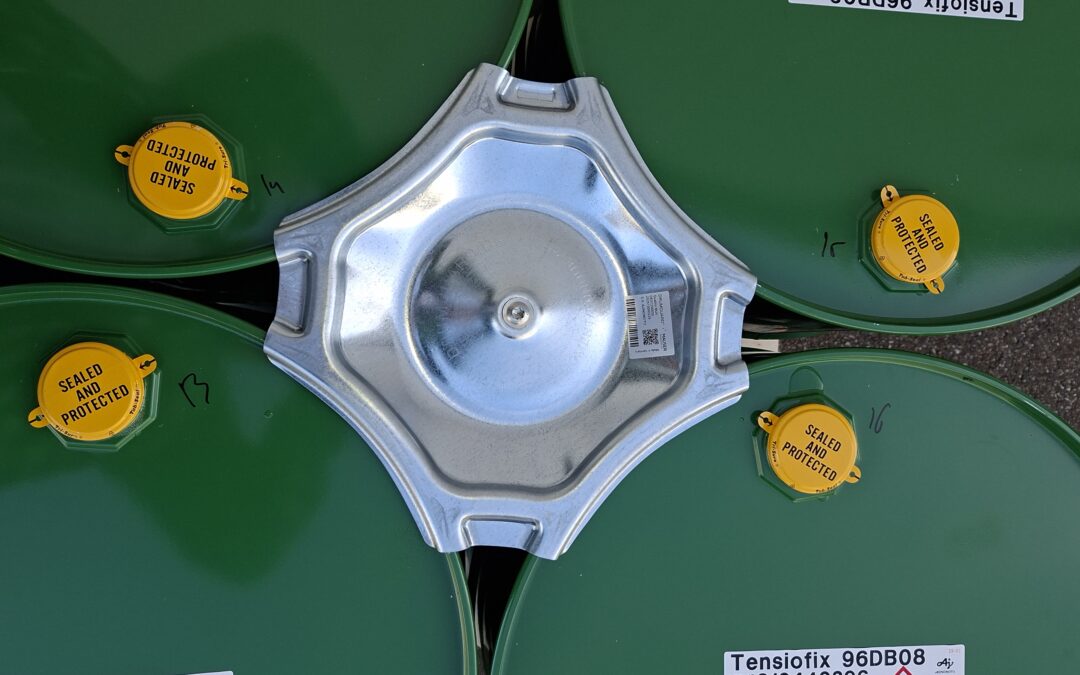
When industrial agrochemical products move across international supply chains, operational consistency becomes just as important as the formulation itself. Transport conditions, pallet stability, loading operations and handling all play a role in ensuring products...

by Alejandra Flores | Mar 30, 2026 | Co-formulants
Introduction The EU regulatory framework is undergoing one of its most significant transformations in a decade. Updates to REACH, the PPP Regulation (EC 1107/2009), new hazard classes (Regulation 2023/707), and the ongoing debate...
by Alejandra Flores | Mar 30, 2026 | Co-formulants
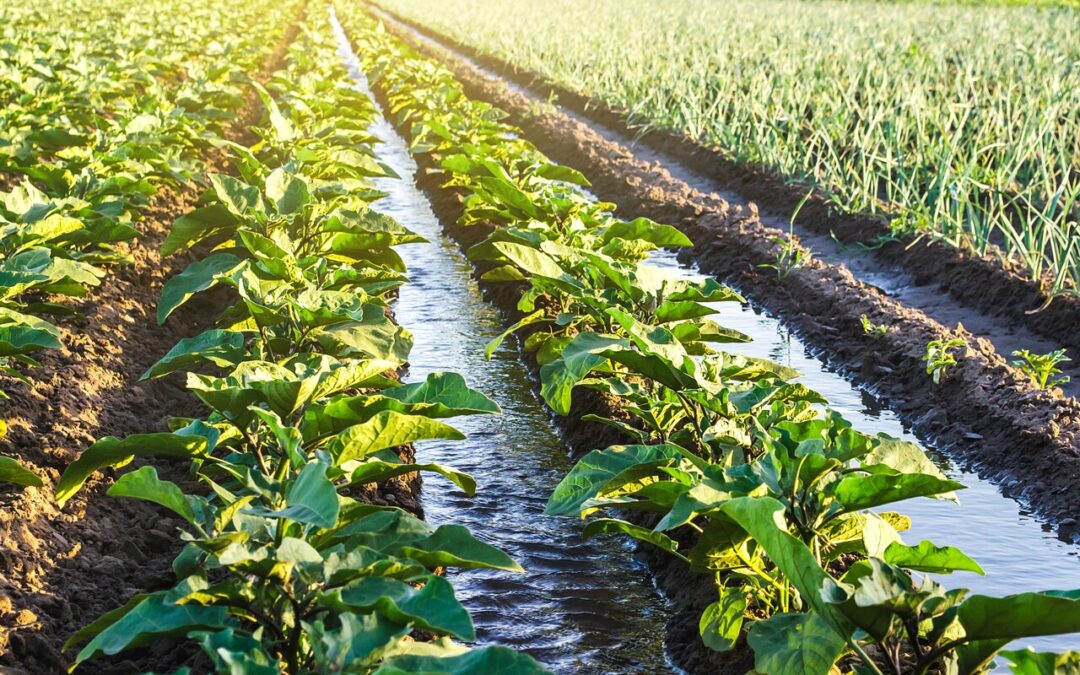
Water stress can also be addressed from its physical origin: not only as a problem of water availability, but as a direct consequence of how water interacts with soil. Limited infiltration, uneven distribution, soil hydrophobicity, and loss of hydraulic connectivity...
