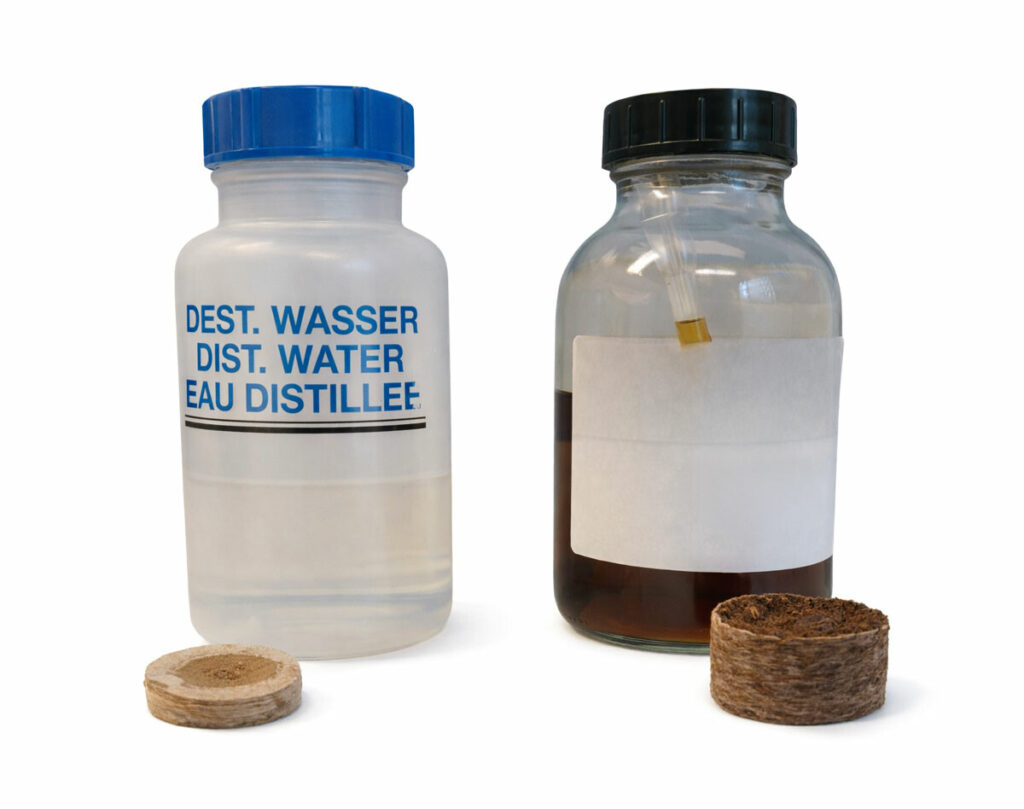
Water stress is not just about water availability
In agriculture, water stress is often associated with water scarcity or excess. However, in many situations, crops experience water stress even when water supply is theoretically sufficient. The root of the problem lies not only in how much water is applied, but in how that water behaves once it enters the soil.
Infiltration, distribution, and retention determine whether water is effectively accessed by roots or lost through runoff, deep percolation, or uneven wetting. When these physical processes fail, plants suffer stress regardless of irrigation volume or rainfall levels.
Addressing water stress therefore requires a shift in perspective: moving from managing water volumes to designing water behavior in the soil.
Water–soil dynamics under stress conditions
Water movement in soil is governed by key physical properties:
- Infiltration: the soil’s ability to allow water entry.
- Distribution: how water spreads vertically and laterally within the soil profile.
- Retention: how long water remains available before being lost.
Under stress scenarios, prolonged droughts, repeated drying–rewetting cycles, compaction, or the presence of organic coatings, hese processes are disrupted. Soil crusts, hydrophobic zones, and preferential flow paths develop, preventing uniform wetting of the root zone.
As a result, both water uptake and nutrient availability are compromised.
Physical bottlenecks driving water stress
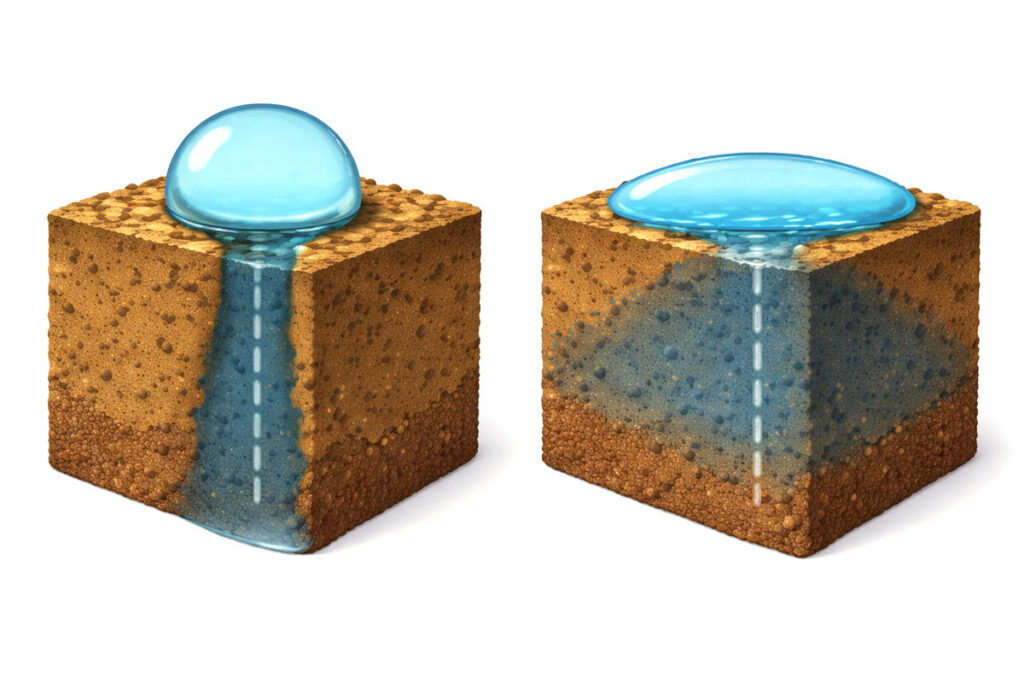
- High surface tension
Elevated surface tension causes water to form isolated droplets, limiting contact with soil particles and slowing infiltration.
- Soil hydrophobicity
Soils that repel water due to organic coatings or extended dry periods generate irregular wetting patterns. Even after irrigation, certain zones remain persistently dry.
- Lack of hydraulic connectivity
Hydrophobic patches disrupt pore continuity, creating isolated water pockets that cannot redistribute efficiently toward roots.
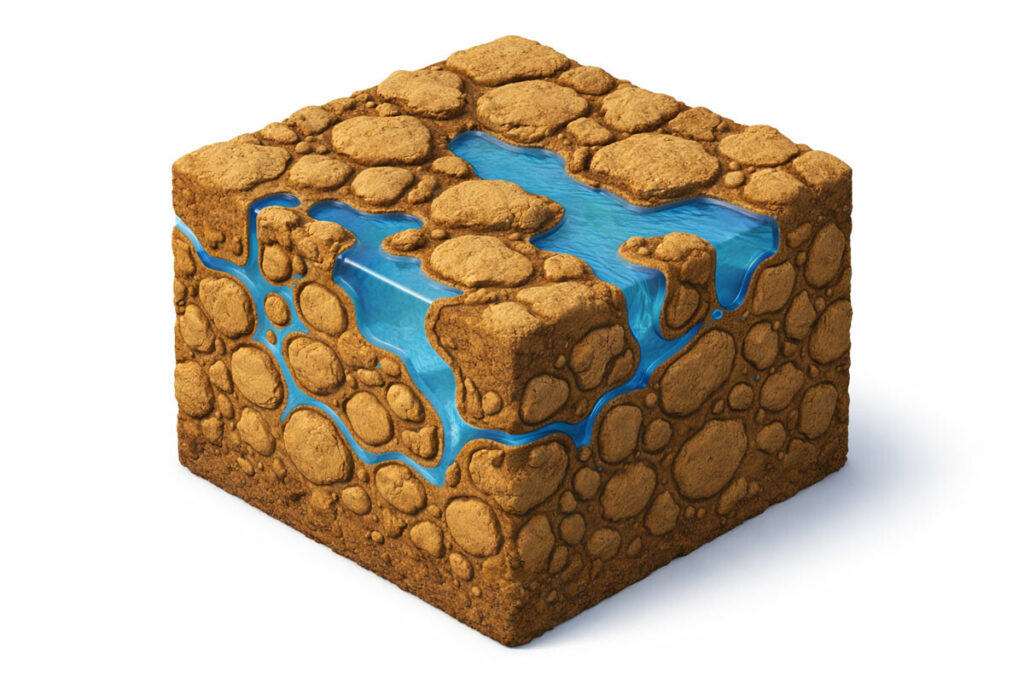
Overcoming these limitations requires acting on the physics of water itself, not solely on irrigation practices.
A formulation-driven approach to water stress management
From a formulation perspective, it is possible to intervene directly in water–soil interactions by:
- Reducing surface tension,
- Restoring the soil’s ability to absorb water,
- Improving hydraulic connectivity between soil pores,
- Extending water residence time in the root zone.
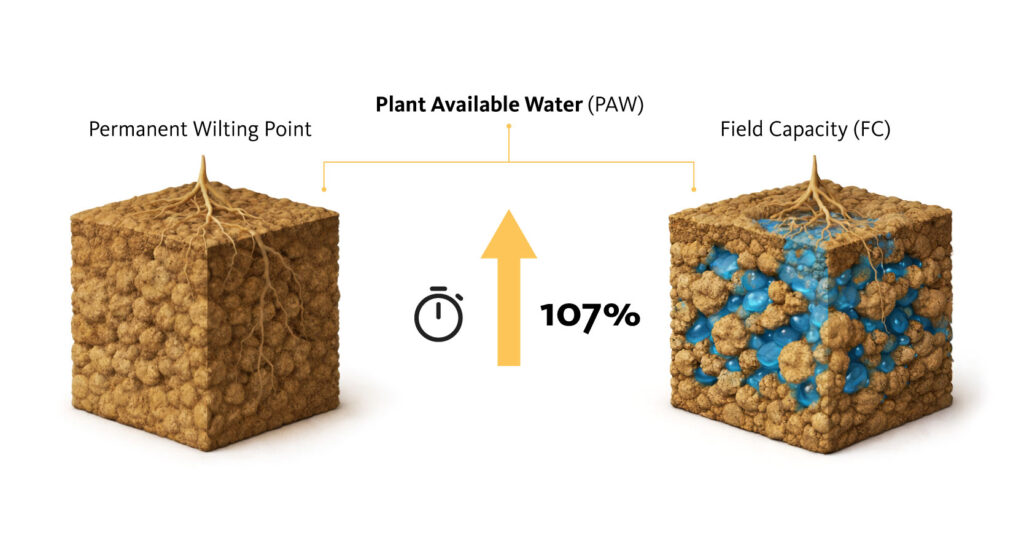
The combination of surfactants and functional polymers enables the creation of more continuous and stable wetting patterns, acting at the foundation of the soil–water–plant system.
Agronomic implications
Improved infiltration and distribution translate into:
- More efficient water use by minimizing runoff and evaporation losses,
- Consistent water availability in the root zone,
- Improved wetting of dry or crusted soils,
- Stable moisture conditions between irrigation events,
- Higher overall water use efficiency.
Together, these effects enhance crop resilience to stress and optimize the use of available water resources.
The AgroSolutions perspective
Water stress cannot be addressed with generic solutions. It requires a clear understanding of the underlying physical constraints and the design of formulation-based responses tailored to specific conditions.
AgroSolutions approaches this challenge through formulation expertise, developing solutions that act on soil water dynamics to restore functionality where it matters most: At the root level.